

2026/06/02 Eragon: When a Bestseller Took Flight but Lost Its Wings on Screen
Not every bestselling book glides smoothly into the cinema. Eragon, written by Christopher Paolini and published in 2002, had all the ingredients of a big-screen success: dragons, magic, and a coming-of-age hero. What made its journey interesting, though, was how quickly Hollywood stepped in once the book began gaining attention.
The film rights were picked up early, even before the series had fully established itself. This usually signals strong studio confidence. In simple terms, producers saw franchise potential right from the start and wanted to move fast before interest cooled or competitors stepped in.
The movie adaptation was released in 2006, directed by Stefen Fangmeier and backed by 20th Century Fox. However, the production itself faced noticeable challenges. One of the most talked-about issues was the compression of a dense, detailed novel into a relatively short runtime. This meant large portions of the book had to be removed or simplified.
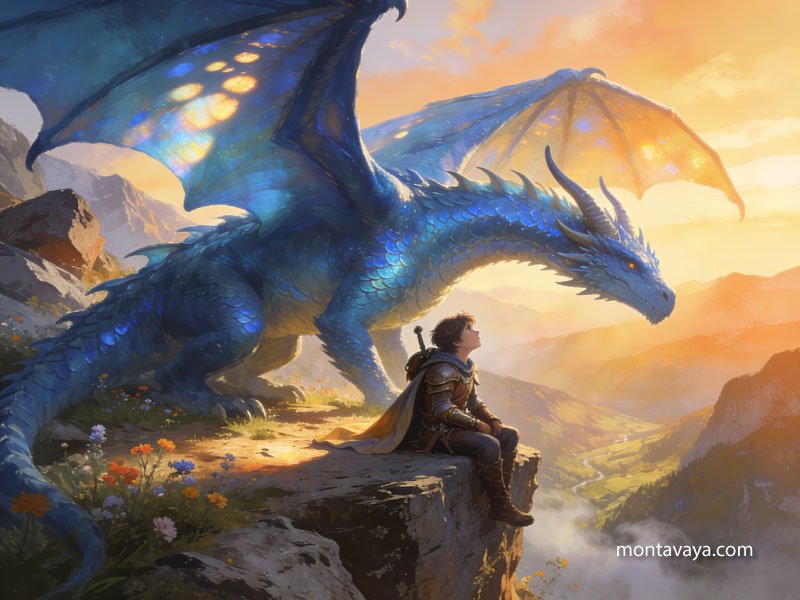
For example, in the book, Eragon’s training, his bond with Saphira, and the political background of Alagaësia are developed gradually over time. This allows readers to understand the world and its stakes. In the film, many of these elements are rushed. Key relationships form quickly, and important plot points appear without much build-up. This change was likely made to keep the film fast-paced, but it reduced the depth of the story. In other words, the film focused on reaching major events rather than building the journey toward them.
There was also industry chatter around how the film aimed to position itself alongside other fantasy franchises popular at the time. This led to certain creative choices that felt more generic than the book’s original tone. While not a direct controversy, it contributed to the perception that the film lacked a distinct identity.
Casting decisions also drew attention, particularly because the film featured a mix of newcomers and established actors. While this is often done to balance freshness with familiarity, it added to the pressure on the film to perform well commercially.
In terms of faithfulness, Eragon is often cited as a loose adaptation. The central storyline remains: a young boy discovers a dragon egg and is pulled into a larger conflict, but many details, character arcs, and subplots are either altered or removed. This is a common issue with fantasy adaptations. A richly built world on paper is difficult to fully recreate within the time limits of a film.
The gap between the book and the film was relatively short, just four years. While this helped capitalise on the book’s popularity, it also meant there was limited time to refine the adaptation. In some cases, a longer development period allows for better world-building on screen. In the end, Eragon stands as a reminder that scale alone does not guarantee a successful adaptation. It leaves us with something to think about: when a story’s strength lies in its world-building, is it better to condense it for the screen, or does that risk taking away what made it special in the first place?
Researched and Written by Shrirang Khare